


Joshua Tree National Park: Your Guide to Planning the Perfect Visit

Updated: Nov 30, 2025
Joshua Tree National Park is home to one of the highest concentrations of Joshua trees in the world! How cool is that? Beyond the famous trees, the park is filled with massive granite boulders, wide open desert views, and endless spots that feel completely untouched. You’ll also find hidden oases and some of the clearest night skies in California. In this Joshua Tree National Park guide, we’re sharing our must-see places in Southern California, along with our recommended itinerary for making the most of your time in the park.

The Ultimate Guide to Joshua Tree National Park
Joshua Tree National Park is one of the most visually distinct places in California, where two deserts meet and the landscape feels unlike anywhere else in the state. While the park is known for its iconic Joshua trees and striking rock formations, there’s also a rich natural history behind this otherworldly terrain. According to the National Park Service, the Joshua tree itself is a type of yucca that can take decades to mature, making its preservation especially important as the climate continues to shift in the region.
Joshua Tree was officially designated as a national park in 1994, ensuring long-term protection for its fragile desert ecosystems, native plants, and wildlife. Because of how sensitive this environment is, it’s especially important to follow Leave No Trace principles while exploring, staying on marked trails, respecting wildlife, and being mindful of where you walk and climb. Protecting places like Joshua Tree helps keep them wild and beautiful for future visitors, while preserving the landscapes that make them so special in the first place.
Official Park Map

Where is Joshua Tree National Park?
Joshua Tree National Park is located in Southern California, about two hours east of Los Angeles, where the Mojave and Colorado Deserts meet. Click here for Google Maps directions. The closest towns to the park are Joshua Tree, Twentynine Palms, and Palm Desert, all of which make convenient bases depending on which entrance you plan to use.
The park sits roughly between two major cities, about 140 miles from Los Angeles and 190 miles from Las Vegas, making it an easy and popular stop on a Southern California or Southwest road trip.
When to Visit Joshua Tree
Joshua Tree is open year-round, but the experience can feel completely different depending on the season. The most popular time to visit is October through April, when temperatures are more comfortable for hiking and exploring. Personally, our favorite months to visit are January and February when the weather is pleasant and the crowds aren’t quite as intense.
Summer in Joshua Tree can be extremely hot, with daytime temperatures regularly exceeding 100°F (38°C). While the park remains open, this is not an ideal time for long hikes or midday exploring. If you do visit during the summer months, plan to explore in the early morning or evening and spend the hottest part of the day resting or driving through scenic areas.
Unlike parks with heavy snowfall, Joshua Tree rarely experiences winter closures. Most roads and viewpoints remain accessible year-round, though occasional storms can lead to temporary closures or flash flood warnings. Be sure to check the park’s official website for current conditions and alerts before your visit, especially if you're traveling during extreme heat or after heavy rain.
Joshua Tree Entrance Information
Timed Entry and Reservations
Joshua Tree National Park does not currently require timed entry or reservations to enter the park. You can arrive whenever you’d like, but keep in mind that weekends, holidays, and spring months can get very busy and parking lots can fill up fast! If you want an easier experience, arriving early in the morning or closer to sunset is usually your best bet.
Park Entrances
There are three main entrances to Joshua Tree National Park, and which one you use will depend on where you’re coming from and what you plan to see.
West Entrance (Joshua Tree)
The most popular and commonly used entrance, located in the town of Joshua Tree. This is the easiest access point for Hidden Valley, Barker Dam, Skull Rock, and Keys View.
North Entrance (Twentynine Palms)
Located in the town of Twentynine Palms and slightly less crowded than the West Entrance. It’s a great option if you’re approaching from the north or staying nearby.
South Entrance (Cottonwood)
Found near Interstate 10, this entrance is ideal if you’re coming from Palm Springs or Phoenix. It’s also the starting point for exploring the park from the quieter southern end.
Entrance Fees
Joshua Tree requires an entrance fee, which is valid for 7 consecutive days (make sure to keep your receipt):
$30 per private vehicle
$25 per motorcycle
$15 per individual (on foot or bicycle)
If you plan on visiting multiple national parks within a year, the America the Beautiful Annual Pass is absolutely worth considering. It costs $80 and grants access to all U.S. national parks and federal recreation lands for one full year. You can purchase this pass online or in person.
Joshua Tree also offers its own specific annual pass for $55, which is great if you’ll be returning to this park multiple times.

Must-Do "Easy" Joshua Tree Activities
There are many accessible and “easy” things to do in Joshua Tree National Park, and a lot of them don’t require long hikes or strenuous effort. You can experience some of the park’s most memorable spots with short walks, quick stops, or simply by driving through the landscape. Here are some of our top recommendations:
Hidden Valley Nature Trail
A short, flat loop that takes you through a scenic area surrounded by massive boulders and Joshua trees. It’s one of the easiest ways to get a feel for the park’s unique terrain.
1 mile round-trip, 118 feet of elevation gain
Keys View
Drive up to this overlook for incredible views of the Coachella Valley, San Andreas Fault, and even Mexico on especially clear days. The viewpoint is just steps from the parking lot!
Cholla Cactus Garden
An easy boardwalk trail through a dense field of cholla cactus. It’s especially beautiful in the late afternoon.
0.2 miles round-trip, 9 feet of elevation gain
Skull Rock
One of the park’s most recognizable rock formations, shaped like a skull. You can view it directly from the road or take a quick walk around the surrounding area.
Barker Dam
A simple, mostly flat trail leading to a historic water reservoir that dates back to the early cattle-ranching days. It’s a peaceful walk and a great option for a low-effort stop.
1.3 miles round-trip, 65 feet of elevation gain
For The Adventurous Joshua Tree Explorer
Joshua Tree isn’t just about scenic drives and easy walks, it’s also one of the best parks in the country for those who love a little adrenaline. If you’re looking to go beyond the typical viewpoints, here are some of the more adventurous experiences the park is known for:
Rock Climbing and Bouldering
Joshua Tree is considered a world-class rock climbing destination, with thousands of established routes ranging from beginner-friendly climbs to advanced technical ascents. The unique granite formations make it a favorite among climbers from all over the world. Popular areas include Hidden Valley, Real Hidden Valley, and Saddle Rock.
Hall of Horrors
One of our favorite spots in the park, the Hall of Horrors area, is filled with narrow rock corridors, massive boulders, and natural rock mazes. Exploring this area feels more like scrambling and climbing rather than a traditional hike, perfect for anyone who loves hands-on adventure.
Ryan Mountain Summit
For those wanting a physical challenge with a rewarding payoff, hiking to the top of Ryan Mountain provides one of the best panoramic views in the park. The steady incline makes it more challenging than many other trails in Joshua Tree, but the 360-degree desert view at the top makes it completely worth it!
Off-the-Grid Exploring
For experienced desert travelers, exploring lesser-known areas of the park can be incredibly rewarding, but it requires proper planning, plenty of water, and an understanding of desert navigation. Joshua Tree’s terrain can be disorienting if you're not prepared, so this type of adventure is best suited for those who know what they’re doing.
These experiences show a completely different side of Joshua Tree, and something you'll miss if you only go to the main viewpoints and pull-offs. If you’re up for a bit of challenge and go in prepared, they can easily become some of the most memorable parts of your trip.

Best Joshua Tree Hiking Trails
Joshua Tree is home to some incredibly scenic hiking trails, with a mix of short and easy walks, moderate routes, and more challenging desert treks. There really is something for every type of hiker. We recommend choosing a couple from this list that fit your fitness level and the time you have in the park:
Arch Rock Trail: 1.2 miles round-trip, 88 feet of elevation gain, easy
Fortynine Palms Oasis Trail: 3.2 miles round-trip, 633 feet of elevation gain, moderate
Warren Peak: 5.7 miles round-trip, 1105 feet of elevation gain, moderate
Split Rock Loop: 2.5 miles round-trip, 308 feet of elevation gain, easy
Wall Street Mill: 1.8 miles round-trip, 75 feet of elevation gain, easy
Panorama Loop: 6.5 miles round-trip, 1197 feet of elevation gain, moderate
Skull Rock Trail: 1.7 miles round-trip, 141 feet of elevation gain, easy
Boy Scout Trail: 8 miles point-to-point, 226 feet of elevation gain, moderate
Where to Stay in Joshua Tree
Joshua Tree may feel remote, but there are still plenty of great accommodation options depending on your travel style. From desert hotels and unique Airbnbs to campgrounds inside the park, there’s something for everyone when planning your stay near Joshua Tree National Park.
Hotels and Rentals
While there are no traditional large hotels inside the national park itself, you’ll find a range of boutique stays and desert-style accommodations just outside the entrances.
If convenience is your priority, staying close to the West Entrance in Joshua Tree or the North Entrance in Twentynine Palms is usually the easiest option for maximizing your time inside the park.
Camping
Camping is one of the most popular ways to experience Joshua Tree, and there are several campgrounds located inside the park itself.
Jumbo Rocks Campground is the most popular, surrounded by massive boulders and classic Joshua Tree scenery. Hidden Valley Campground is a great central option with easy access to popular trails. Black Rock and Cottonwood Campgrounds are also solid choices, depending on which area of the park you want to explore.
Most campgrounds can be reserved through, though some operate on a first-come, first-served basis during certain seasons (check availability on recreation.gov). If you’re planning to camp, booking early is highly recommended during peak months.

Joshua Tree National Park Sample Itineraries
One Day in Joshua Tree
If you only have one day in Joshua Tree, the best approach is to hit the highlights without trying to cram everything in.
Start by entering through the West Entrance and heading straight to Hidden Valley. This is one of the easiest ways to immediately experience what makes Joshua Tree so special, giant boulders, scattered Joshua trees, and that quiet desert vibe.
From there, make your way to Barker Dam for a short, peaceful walk with a bit of history mixed in. Afterward, stop at Skull Rock for a quick photo, then continue your drive through the park, pulling over at scenic viewpoints as they catch your eye.
In the afternoon, wander through the Cholla Cactus Garden. It feels like a totally different landscape and is especially beautiful when the light starts to soften. End your day at Keys View for sunset, and if you’re up for it, staying a little longer for stargazing is always worth it here.
Two Days in Joshua Tree
With two days, you can explore Joshua Tree at a much more relaxed pace and experience both its popular spots and its quieter corners.
On day one, focus on the classic Joshua Tree scenery. Spend your time between Hidden Valley, Barker Dam, Skull Rock, and Arch Rock, with lots of casual stops along the way. This is the perfect day for photos, exploring the rock formations, and just taking it all in without rushing.
Day two is a great opportunity to get a little more adventurous. Choose a longer hike like Ryan Mountain for panoramic views over the park, or Fortynine Palms Oasis. If hiking isn’t your main goal, spend this day exploring the boulder-filled areas like Hall of Horrors or Cap Rock, or drive deeper into the less-crowded sections of the park for a quieter experience.
This extra time lets you see Joshua Tree beyond just the popular pull-offs and really appreciate how peaceful and otherworldly it really is.
Other Places to Explore Near Joshua Tree
Joshua Tree National Park is located in the perfect area to explore many more California and nearby gems. Here are some suggestions for places to add-on to your road trip:
Fun Facts About Joshua Tree National Park
We hope this Joshua Tree National Park guide helps you plan an unforgettable trip to one of California’s most unique landscapes. And if you’re still on the fence, here are a few fun facts that might convince you it’s time to experience Joshua Tree for yourself:
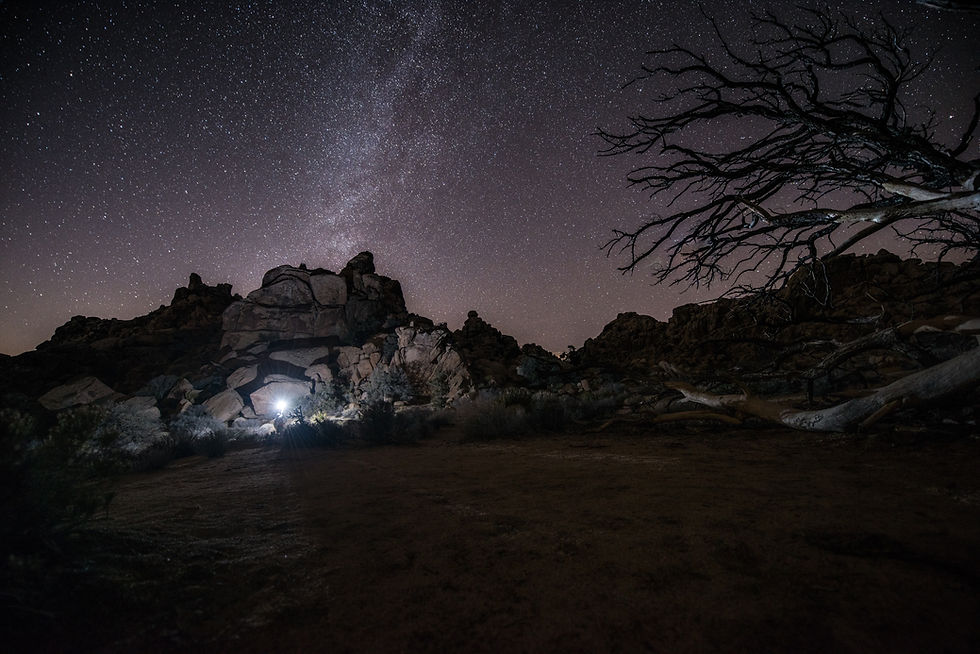
Joshua Tree is one of the best places in Southern California for stargazing and is officially designated as an International Dark Sky Park.
Joshua Tree was designated a national park in 1994, after spending decades protected as a national monument.
Hidden oases exist within the park, such as the 49 Palms Oasis, where native fan palm trees thrive thanks to underground water sources.
Joshua Tree is home to over 750 species of plants and more than 250 species of birds, proving this “desert” is far more alive than it looks at first glance.
Despite the name, the Joshua tree is not actually a tree, it’s a type of yucca plant and can live for hundreds of years.


Comments